The Impact of Family, Friends and Nature on Mental Health and Wellbeing
Mental health challenges affect millions of people worldwide, yet many overlook simple, natural ways to support their wellbeing. Spending time with family and friends, enjoying the outdoors, and engaging in activities like fishing offer powerful benefits for mental health. These connections and experiences provide comfort, reduce stress, and promote a sense of belonging. This post explores how these elements work together to improve mental health and offers practical ideas to incorporate them into daily life.
How Family Supports Mental Health
Family often forms the foundation of emotional support. Close family relationships provide a safe space to express feelings, share challenges, and celebrate successes. This support helps reduce feelings of loneliness and anxiety. Research shows that people with strong family ties tend to have lower rates of depression and better overall mental health.
Ways family helps mental wellbeing:
Offering unconditional love and acceptance
Providing practical help during stressful times
Encouraging healthy habits and routines
Sharing traditions that create a sense of identity and stability
For example, regular family dinners can foster communication and connection, helping members feel valued and understood. Even brief daily check-ins can strengthen bonds and provide emotional reassurance.
The Role of Friends in Emotional Balance
Friends complement family by offering social interaction outside the home. Friendships provide opportunities for fun, laughter, and shared interests, which are essential for reducing stress. They also offer different perspectives and advice, helping individuals cope with problems more effectively.
Strong friendships contribute to mental health by:
Increasing feelings of belonging and acceptance
Providing distraction from worries through enjoyable activities
Encouraging positive behaviors like exercise or hobbies
Offering emotional support during difficult times
For instance, joining a local club or group can help build friendships around shared passions, such as hiking or fishing. These connections create a network of support that can buffer against mental health struggles.

Nature’s Healing Power
Spending time outdoors has a direct impact on mental health. Nature reduces stress hormones, lowers blood pressure, and improves mood. Exposure to natural light helps regulate sleep patterns, which are crucial for emotional stability. Being in green spaces also encourages physical activity, which releases endorphins and improves brain function.
Studies show that even short walks in nature can:
Decrease feelings of anxiety and depression
Improve concentration and creativity
Boost self-esteem and resilience
Activities like hiking, gardening, or simply sitting in a park can provide these benefits. Nature offers a peaceful environment that allows the mind to rest and recharge.
Fishing as a Mental Health Activity
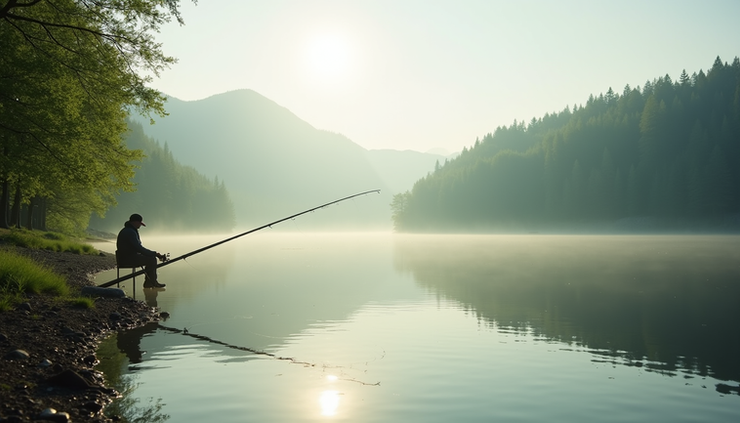
Fishing combines the benefits of nature with social interaction and mindfulness. It encourages patience, focus, and relaxation. The rhythmic actions involved in fishing can have a calming effect, similar to meditation. Being near water also adds a soothing sensory experience.
Fishing supports mental wellbeing by:
Providing time for reflection and stress relief
Encouraging connection with friends or family during outings
Offering a sense of accomplishment and purpose
Promoting physical movement and fresh air exposure
For example, planning a weekend fishing trip with close friends or family can strengthen relationships while providing a break from daily stressors. Even solo fishing trips can help clear the mind and improve mood.
Practical Tips to Incorporate These Elements
Schedule regular family activities like game nights or outdoor picnics to build connection.
Make time for friends by joining clubs, attending community events, or simply meeting for coffee.
Spend at least 30 minutes outdoors daily, whether walking, gardening, or relaxing in a park.
Try fishing as a new hobby or social activity, starting with local lakes or rivers.
Combine these elements by organizing group fishing trips with family or friends to maximize benefits.
Supporting Mental Health Every Day
Building strong relationships and spending time in nature are accessible ways to support mental health. These activities do not require expensive equipment or special skills, just a willingness to connect and be present. By prioritizing family, friends, and outdoor experiences, individuals can create a balanced lifestyle that nurtures emotional wellbeing.
Mental health is complex, and professional help may be necessary for some. This post offers ideas to complement treatment and promote everyday resilience. Taking small steps to engage with loved ones and nature can make a meaningful difference.


Comments